
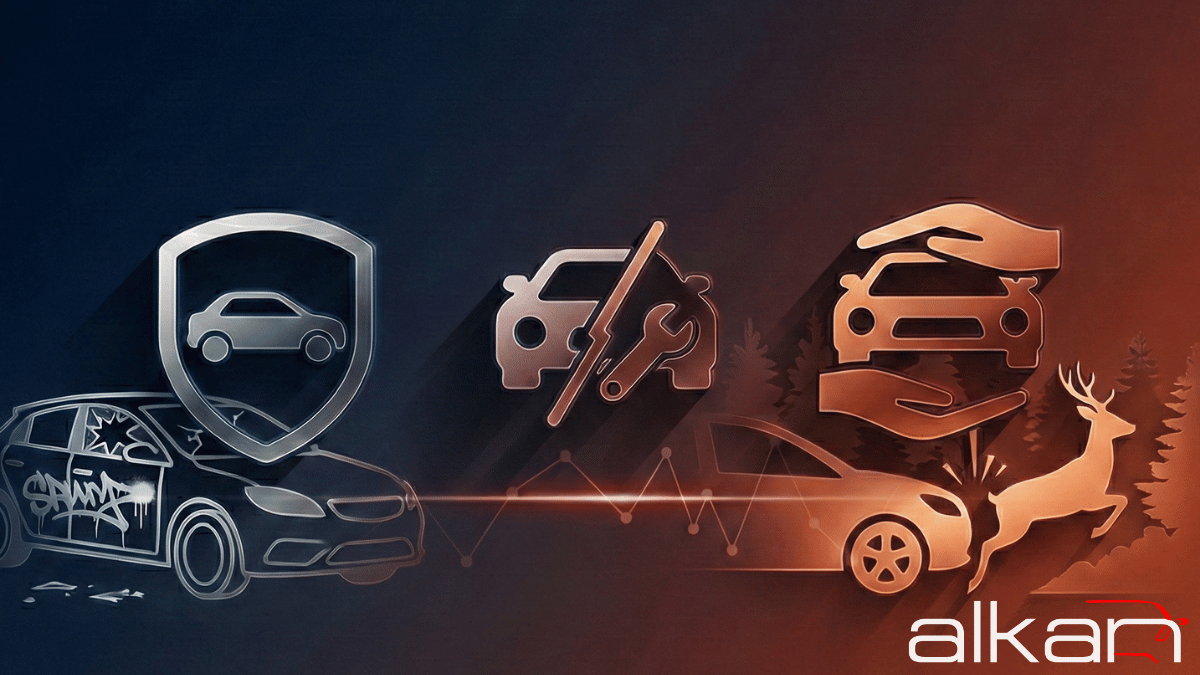
Accidents and damage to the car happen quickly, whether guilty or innocent. Learn which insurance is the best choice in the event of a claim.
Full Coverage, Partial Coverage, or Liability – Which Insurance Is Right for You?
Choosing the right car insurance is one of the most important decisions a driver has to make. In Germany, liability insurance is mandatory for all vehicle owners. But when it comes to additional protection for your own vehicle, the question arises: full coverage, partial coverage, or liability? In this article, you will learn which insurance is right for you and the differences between each type.
1. Liability Insurance: The Legal Mandatory Insurance
Liability insurance is mandatory in Germany for all vehicles. It covers damages you cause to other road users with your vehicle, whether to their vehicles or persons.
What is covered?
- Personal injuries: Costs for medical treatment and any compensation for pain and suffering.
- Property damage: Repair or replacement of damaged vehicles, fences, stores, or other property.
What is not covered?
- Damage to your own vehicle
- Your own injuries or damage caused by accidents you caused
2. Partial Coverage Insurance: Protection from Specific Risks
Partial coverage insurance offers extended protection beyond liability, but is still cheaper than full coverage. It is particularly suitable for vehicles of medium value or those that are not used daily.
What is covered?
- Theft: Loss of the vehicle or parts of it due to theft.
- Fire and explosion: Damage from fire or explosion.
- Glass damage: Damage to the windows, such as from stone chips.
- Natural events: Damage from weather conditions such as storms, hail, or flooding.
- Animals: Damage caused by collisions with animals.
What is not covered?
- Accidents you cause or damages to other road users.
- Vandalism, unless it leads to theft.
3. Full Coverage Insurance: Comprehensive Protection for Your Vehicle
Full coverage insurance provides the most comprehensive protection and covers all the risks that partial coverage and liability insurance do not cover. It is ideal for new or high-value vehicles, whose owners want full protection.
What is covered?
- All the coverage of partial insurance: This includes theft, fire, glass damage, and natural events.
- Accidents you cause: Damage you caused, such as rear-end collisions or mishaps in the parking lot.
- Vandalism: Damage caused by others deliberately, e.g., scratches or burnt tires.
What is not covered?
- Damage from gross negligence: If you drive without a license or under the influence of alcohol, the insurance may refuse to cover the damage.
Which Insurance Is Right for You?
The choice between full coverage, partial coverage, and liability insurance depends on several factors, such as:
- Vehicle value: Expensive or new vehicles should ideally be insured with full coverage, while older vehicles may only need partial coverage or just liability insurance.
- Driving behavior: If you drive frequently in urban areas, you might benefit from partial coverage or full coverage, as the risk of vandalism or accidents is higher.
- Budget: Liability insurance is the cheapest option, while full coverage is the most expensive. You should choose the insurance that fits your budget while providing the protection you need.
Conclusion: The Right Insurance for Your Needs
The choice of the right car insurance depends on many factors, such as the value of your vehicle, your driving behavior, and your budget. While liability insurance is mandatory by law, partial coverage and full coverage offer additional protection for your vehicle. Keep in mind that depending on the age and value of your car, partial or full coverage might be more suitable. Make sure to choose the insurance that best fits your individual needs.
Do you want to be sure that your claims are assessed correctly after an accident? An independent motor vehicle expert can help you determine the exact amount of damage and settle the claim accordingly.
If you are wondering how to secure evidence in the event of damage, a dashcam can be helpful. It can provide valuable information, especially when it comes to clarifying the question of fault. Learn more about the requirements and use of dashcams in our blog post here.