
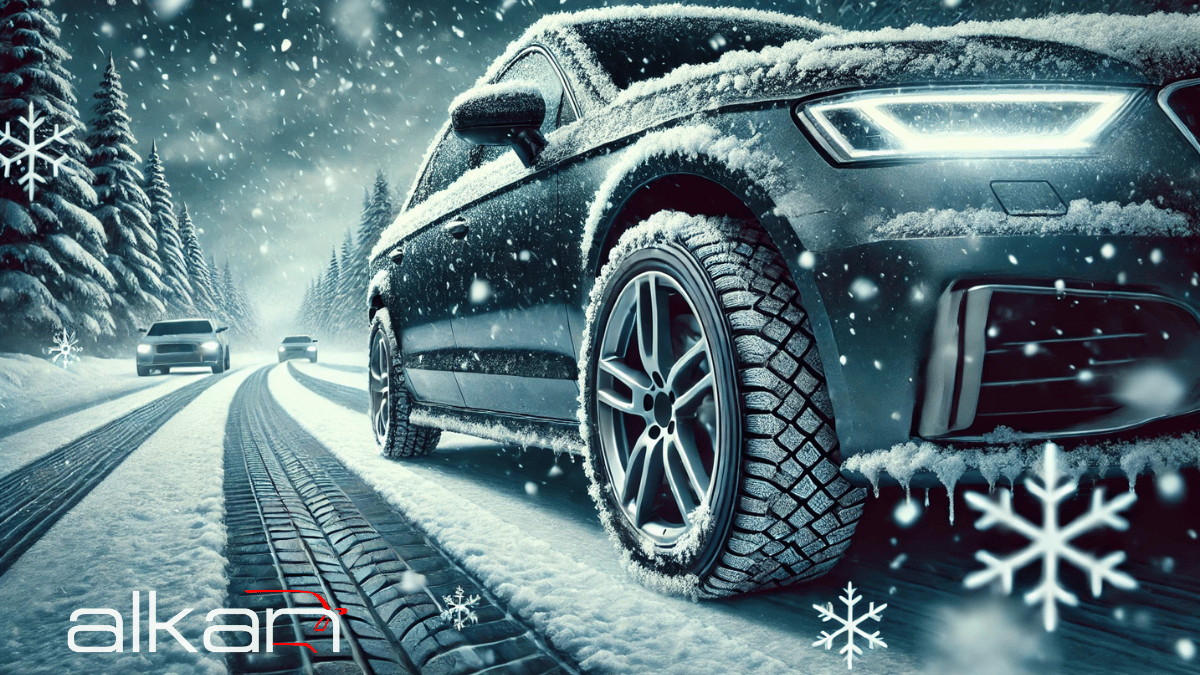
Winter is approaching, and with temperatures dropping and the forecast predicting snow and ice, many drivers are asking: Are winter tires really necessary?
Why Are Winter Tires So Important?
Winter tires are specifically designed to provide optimal grip on cold temperatures and winter road conditions like snow, ice, and slush. Their rubber compound remains flexible even at temperatures below 7 °C, offering better traction than summer or all-season tires. The unique tread of winter tires also helps better channel water, snow, and slush, reducing the risk of aquaplaning.
Benefits of Winter Tires:
- Improved traction: Better grip on snow and ice.
- Shorter braking distance: In comparison to summer tires, the braking distance on snowy roads can be up to 50% shorter.
- Greater stability: Particularly in corners and on slippery roads.
All-Season Tires: An Alternative?
All-season tires offer a compromise between summer and winter tires. They are designed for moderate climates and perform reasonably well in mild winter conditions. However, they do not offer the performance of summer tires at high temperatures or winter tires in snow and ice.
Who Are All-Season Tires Suitable For?
- Drivers in regions with mild winters and rare snowfalls.
- Occasional drivers who don't face extreme weather conditions often.
Risks of All-Season Tires:
- In severe winters or extreme weather conditions, all-season tires cannot perform as well as winter tires.
- They wear out faster since they are used year-round.
Legal Situation in Germany
In Germany, there is no general winter tire obligation. Instead, a situational winter tire obligation applies. This means that appropriate tires are required when there are winter road conditions (e.g., snow, ice, or slush).
Key Facts:
- Winter Tire Marking: Since 2018, winter tires must feature the Alpine symbol (snowflake and mountain). “M+S” tires without the Alpine symbol are no longer allowed after October 1, 2024, when winter conditions are present.
- Fines: Driving without appropriate winter tires can result in a €60 fine (for obstructing other traffic) and a point in Flensburg.
- Responsibility: Both the driver and the vehicle owner are responsible for ensuring proper tire equipment.
Insurance Coverage: What You Need to Know
Improper tires can not only endanger your safety but also affect your insurance coverage.
Comprehensive and Partial Insurance:
In the event of an accident, the insurance may refuse or reduce the payment if improper tires were involved. This is especially true for accidents on winter roads, where the braking distance is extended or the vehicle skids.
Liability Insurance:
Typically, liability insurance will cover the other party’s damage. However, if gross negligence due to improper tires can be proven, the insurance may seek recourse from the driver.
Tips for Protection:
- Change your tires on time: Ensure you switch to winter tires by October to be prepared for sudden cold spells.
- Check the tread depth: The legal minimum tread depth is 1.6 mm, but for winter tires, at least 4 mm is recommended.
- Check your insurance terms: Make sure you understand how improper tires can affect your coverage.
- Documentation: Take photos of your tire condition, especially in case of accidents, to avoid misunderstandings.
Conclusion
Winter tires are not only legally required in Germany but also essential for your safety and insurance coverage. While all-season tires can be a good alternative for certain regions, they quickly reach their limits in extreme winter conditions. To stay legally compliant and safe on the road, always opt for winter tires.
For more useful tips on car care in the winter, see our article: How to care for your car perfectly for the winter – the 10 most important tips